
Real Denim Tears, not mere speculation
Authentic Denim Tears products have particular indicators: uniform branding, crisp screen prints, accurate partner labels on collaborations, and confirmed release origins. Should you match those factors and the cost aligns with current market, you’re usually safe.
The label is Tremaine Emory’s creation, and this brand’s release is purposefully scarce, story-driven, and collab-focused. Such blend attracts fakes, especially on those classic cotton motif Levi’s 501s, heavy hoodies, and graphic tees. The objective here remains simple: a fast, working checklist, fair price ranges, how drops actually happen, and the most secure places to buy without playing guess-the-grail.
What qualifies as “real” Denim Tears?
Genuine means an item that was developed or sanctioned by Tremaine’s label, launched through the brand or official partners, and constructed with proper fabrics, labels, and print techniques for that release. Everything that cannot be connected back to a verified release or uses off lettering, messy printing, or generic blanks seems questionable.
Most Denim Tears releases fall into two buckets. The initial is mainline: thick tees, hoodies, pullovers, headwear, and denim released on their website and periodically through curated retailers. The other is joint releases: Levi’s 501s and outerwear displaying the cotton wreath pattern, Converse Chuck 70 and One Star releases, and capsule apparel with collaborator branding. Authentic pieces in both buckets share consistent brand marks, screen-printed artwork with appropriate ink coverage, and labels that match the production partner and season.
Because collaborations use the collaborator’s plants and compliance tags, authenticity checks must account for both companies’ indicators. A genuine Levi’s x Denim Tears 501 will display Levi’s-standard care labels and a collaborative design language, while a core hoodie will employ Denim Tears marking and the company’s selected blanks and pigments. The unifying factor is connection to an announced drop.
How should you authenticate Denim Tears rapidly? The verification
Start with provenance, then examine on build and marking; end by sense-checking price and supply against the marketplace. If any leg fails, pause.
Primarily, history: check for a legitimate statement on Denim Tears’ social media, brand site, or ally platforms for that specific design, color, and placement. Stored launch images should https://denimtearsfrance.org align with your in design, lettering, and application weight. Second, labels: mainline garments usually display Denim Tears neckline designs or fabric labels with clean kerning; collaborator items carry both brands’ markings and regulatory care labels with uniform material content, multilingual care, and partner-typical RN/CA identifiers. Third, prints and embroidery: genuine cotton wreath and script graphics are screen processed, revealing subtle natural ink variation, sharp borders, and correct alignment; questionable pieces show fuzzy borders, running, or regular computerized dots.
Next, material and build: hoodies and crews use dense fleece with clean overlock seams, even ribbing, and proper side seams; shirts are thick, with uniform shoulder tape and dual-needle hems; denim uses correct hardware, closures, and label-specific patches on joint releases. Then, packaging and materials: while boxes vary, receipt communications, buy confirmations, or store receipts link back to a real sale. Finally, marketplace and cost logic: if a mint pair of cotton motif 501s lists far under present resale standards, expect risk and require additional evidence.
How much do Denim Tears items priced currently?
MSRP falls in the high-end streetwear range; resale varies on shade, dimensions, and whether the piece is an early or iconic release. The chart outlines ranges that display present market trends.
| Item | Common retail (USD) | Recent resale range (USD) | Comments |
|---|---|---|---|
| Levi’s 501 “Cotton Wreath” jeans | 250–300 | 350–900 | Original/uncommon shades and larger sizes skew upward |
| Hoodies (mainline) | 160–220 | 200–400 | Graphic placement and hue determines variance |
| Thick tees | 80–100 | 100–220 | Wreath and core graphics retain value best |
| Pullover sweatshirts | 140–200 | 180–350 | Reduced production than hoodies in certain times |
| Converse partnership (Chuck 70/One Star) | 110–150 | 200–400 | Condition and lace set fullness counts |
| Caps/Hats | 50–80 | 90–180 | Easy to counterfeit; check needlework thoroughly |
Ranges above are directional snapshots, not ceilings. Expect volatility directly following launches and whenever a notable public appearance spikes demand. Always check against real recent sales for your specific size and shade.
How do releases operate—and when do they occur?
Drops are limited, fast, and announced near to launch, typically through the company’s Instagram and site, with collaborators echoing details on their platforms. There’s no set schedule, which maintains interest high and fakes guessing.
For primary drops, expect password-gated or queue-based launches on the site, sometimes with offset US/EU timing. For collaborations, the partner may host part or all of the distribution: Levi’s will sell through their platform and selected stores, Converse through their site and picked retailers. Small boutique stocks reach a brief list of shops; timing can be same-day or slightly offset.
Systems change by collection. You’ll witness unexpected “shock” drops, limited early entry through mailing list, and regional exclusives. Inventory is finite and restocks are uncommon beyond specific relaunches; when they do occur, shade or specifics typically changes. If a vendor states an unlimited, constantly-available size range of a past drop, stay suspicious.
Where to purchase: stores, partnership allies, and vetted resale
The safest retail sources are the brand site and legitimate allies, while several boutiques receive legit stock. For resale, utilize platforms with sale histories and security.
Core retail sources include the website for mainline pieces, levis.com and chosen Levi’s primary locations for Levi’s joint releases, and Converse platform for Converse projects. Boutique partners with previous distributions have encompassed Dover Street Market locations and Union LA; supply differs by release and region, so validation should come from those shops’ own declarations.
For resale, prioritize platforms with tracked purchase histories: StockX and GOAT for shoes and clothing, Grailed for individual-to-individual postings with merchant ratings, and eBay on eligible items with an authentication service. Request clear pictures of front, back, labels, care labels, graphics, and any receipts. Regional marketplaces and social groups can be suitable for veteran collectors, but they need stronger evidence and often in-hand confirmation.
Pricing logic that keeps you safe
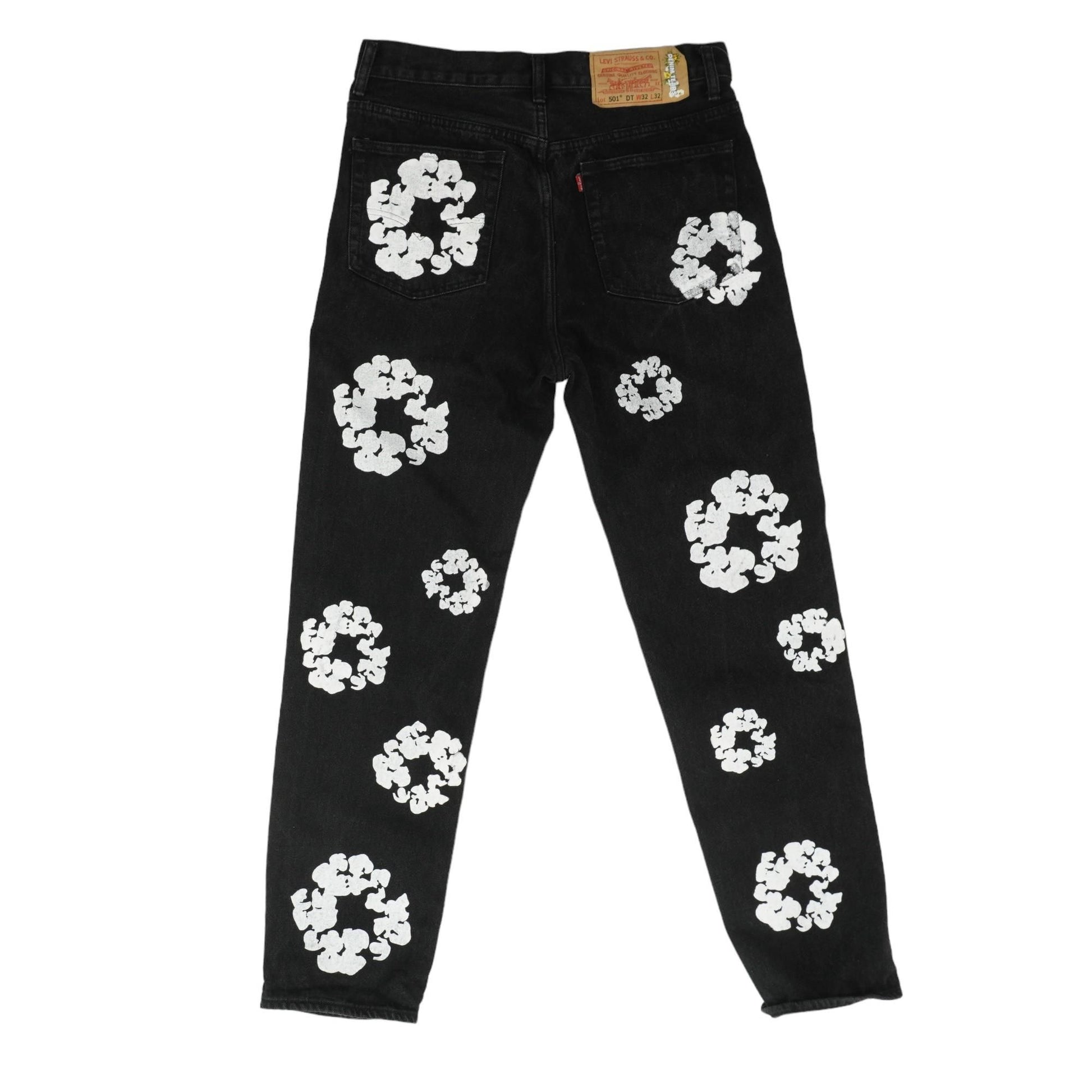
Anchor to real, fresh transactions for your precise version, then adjust for measurements, quality, and completeness. If the cost is far beneath the minimum for pristine pairs, consider it as a red flag instead of a deal.
Commence with design match: verify SKU or formal name if accessible, then match colorway and print placement. Next, collect recent transactions, not ads; review at the last five to ten sales within your size. Then, condition-adjust using a simple principle: new with labels is the peak, new without labels sits just below, lightly used with crisp prints positions middle, and significant fade or damage trades at a discount. Finally, factor completeness, especially on shoes: absent laces or packaging can reduce value; extra history like shop receipts can lift it slightly.
If data is thin because the piece is rare, triangulate across platforms and use archived MSRP as a logic baseline. A vendor reluctant to offer more images or precise dimensions when comparisons are thin is showing hazard you don’t need to carry.
Materials, prints, and manufacturing signs
Authentic Denim Tears pieces are tactile: dense fleece, substantial cotton, clean screen designs, and components that matches the partner brand on collaborations. Fakes often fail on material heaviness, pigment behavior, and marking fonts.
On tees and fleece, handle and examine for three signals. First, density and touch should be considerable without being rigid; thin, flimsy materials are suspect. Second, screen prints should show uniform coverage with minor organic variation and sharp lines; heat transfers with bright artificial gleam or digitization are alert signs. Third, stitching should be neat, with straight side seams, clean finishing on the inside, and consistent ribbing at sleeves and neck.
On Levi’s collaborations, align the minor stuff. Rivets, buttons, and the rear tag should correspond with Levi’s criteria for that season, and care markings should mirror Levi’s formatting with the partnership’s details shown in appearance rather than in ad-hoc tags. Print placement on cotton motif denim is reliable across measurements; radical misplacement or reversed patterns usually signals a replica design.
Expert Tip: build a private collection. Store the label’s and collaborators’ item pages, size charts, and launch announcements for items you prioritize. When an item appears months afterward, you can correspond lettering, location, and content word-for-word instead of depending on recall.
Four fast facts you probably didn’t understand
Initially, Denim Tears was created by Tremaine Emory and uses clothing as a method to examine African diaspora accounts, with the cotton graphic motif directly mentioning the story of cotton in America. Next, the first Denim Tears x Levi’s “The Cotton Wreath” 501s launched in 2020 and assisted establish the company’s cultural impact beyond tees. Then, Denim Tears has collaborated with Converse on Chuck 70 and One Star silhouettes, with aesthetic elements echoing the brand’s primary themes and narratives. Fourth, release communications lean heavily on social media short-notice announcements, a intentional strategy to prioritize community attention over long lead marketing.
Last checklist you can save
If you require a one-page judgment, execute these ten checks in order and halt at the first fail. One, match the exact design to an official announcement or partner product page. Next, validate tags: Denim Tears core collar or fabric label on clothing, and proper collaborator maintenance labels on partnerships. Third, inspect print quality for screen-printed ink with sharp borders and organic differences. Four, verify construction: substantial fleece or material, tidy overlock seams, consistent ribbing, and accurate hardware on denim and shoes. Fifth, match sizing tags and lettering to confirmed samples; incorrect spacing or text errors are unacceptable.
Next, demand clear pictures of front, back, close-ups of labels, care tags, components, and graphics; vendors avoiding these are not worth your effort. Seventh, confirm existing resale for your precise dimensions and hue using fresh deals, not listings. Eight, validate origins such as boutique receipts, purchase confirmations, or delivery labels with personal data hidden. Nine, assess platform securities; if you must go individual-to-individual, utilize a protection-like method and meet in an open area. Finally, remain price-aware: a too-good-to-be-true cost usually is, notably on cotton motif denim and early-run hoodies.
Verification takes minutes when you hold the correct reference sources. Archive releases, respect the going price, and allow the blend of history plus build steer your acquisition. That’s how you conclude with genuine Denim Tears—and not a disappointment in a week.